

Celebrating a journey defined by sustained growth, strong partnerships, and shared commitment.
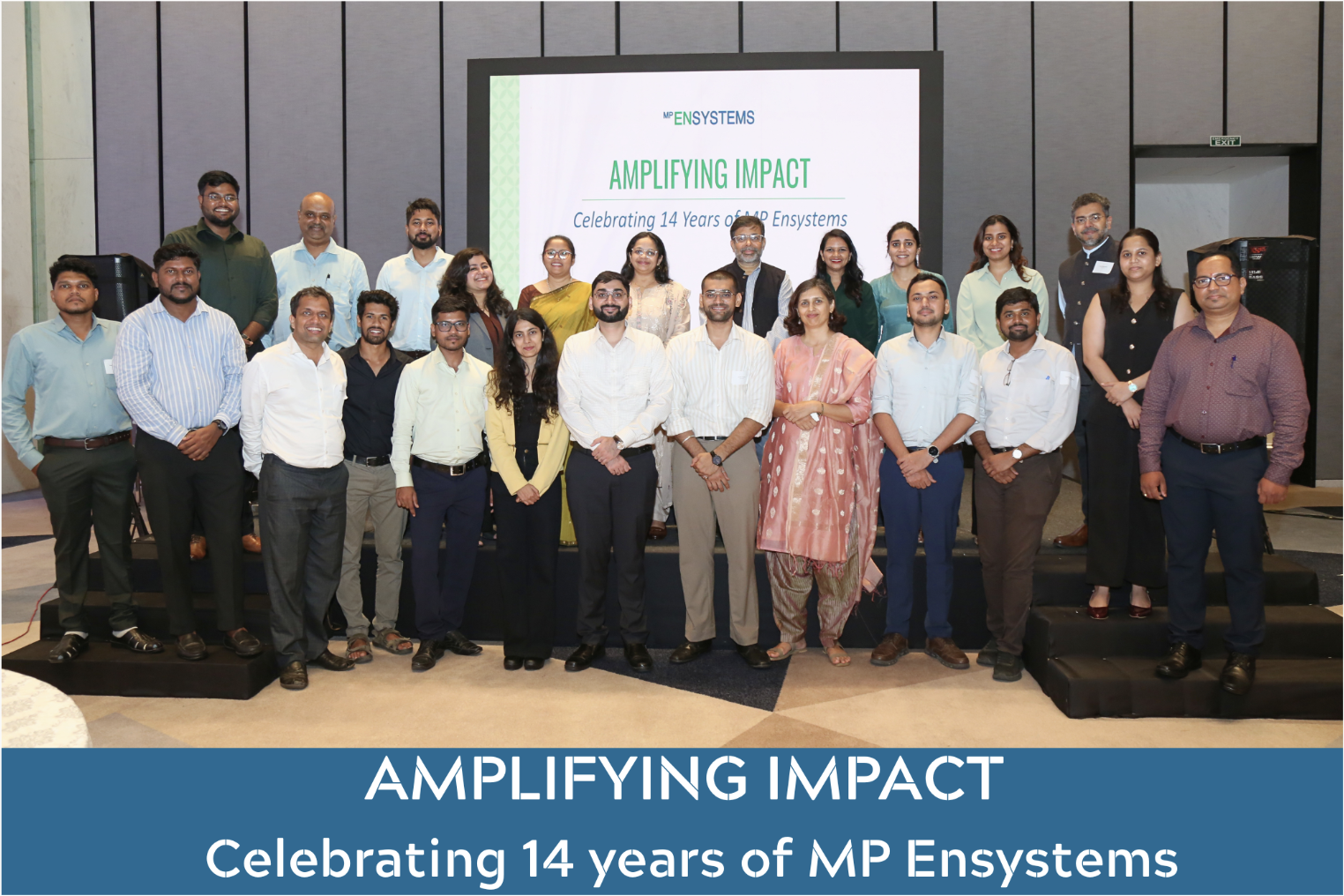
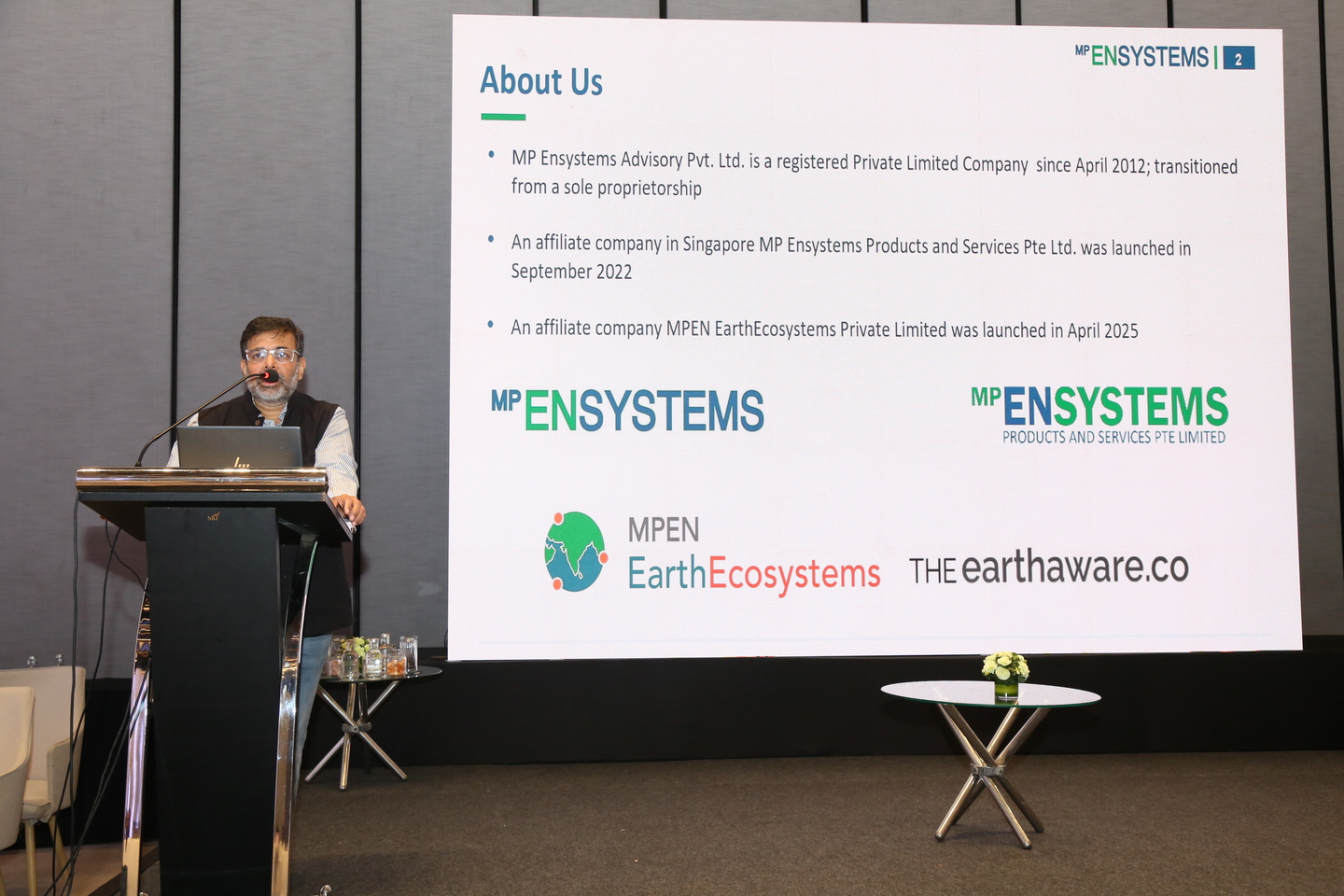
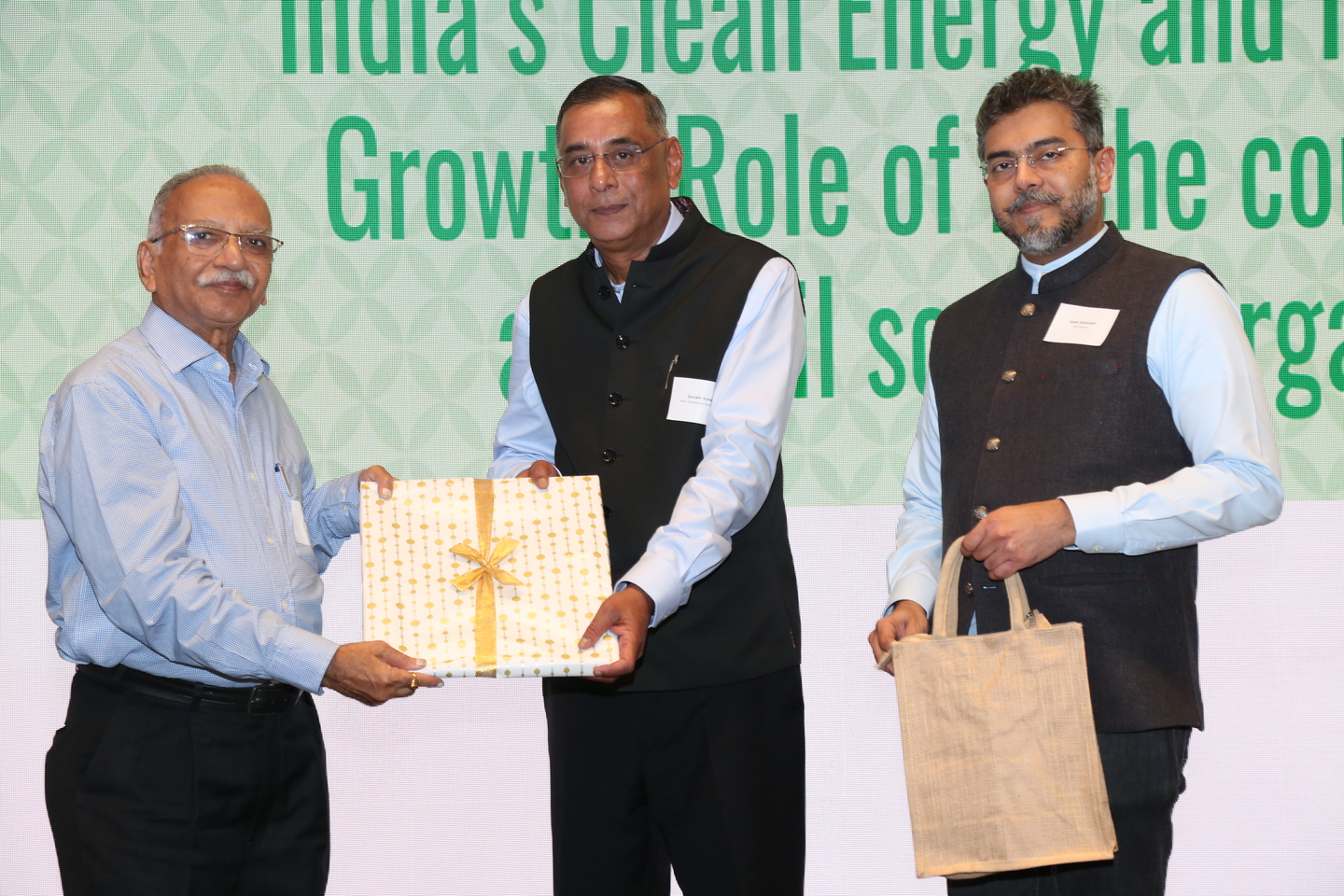
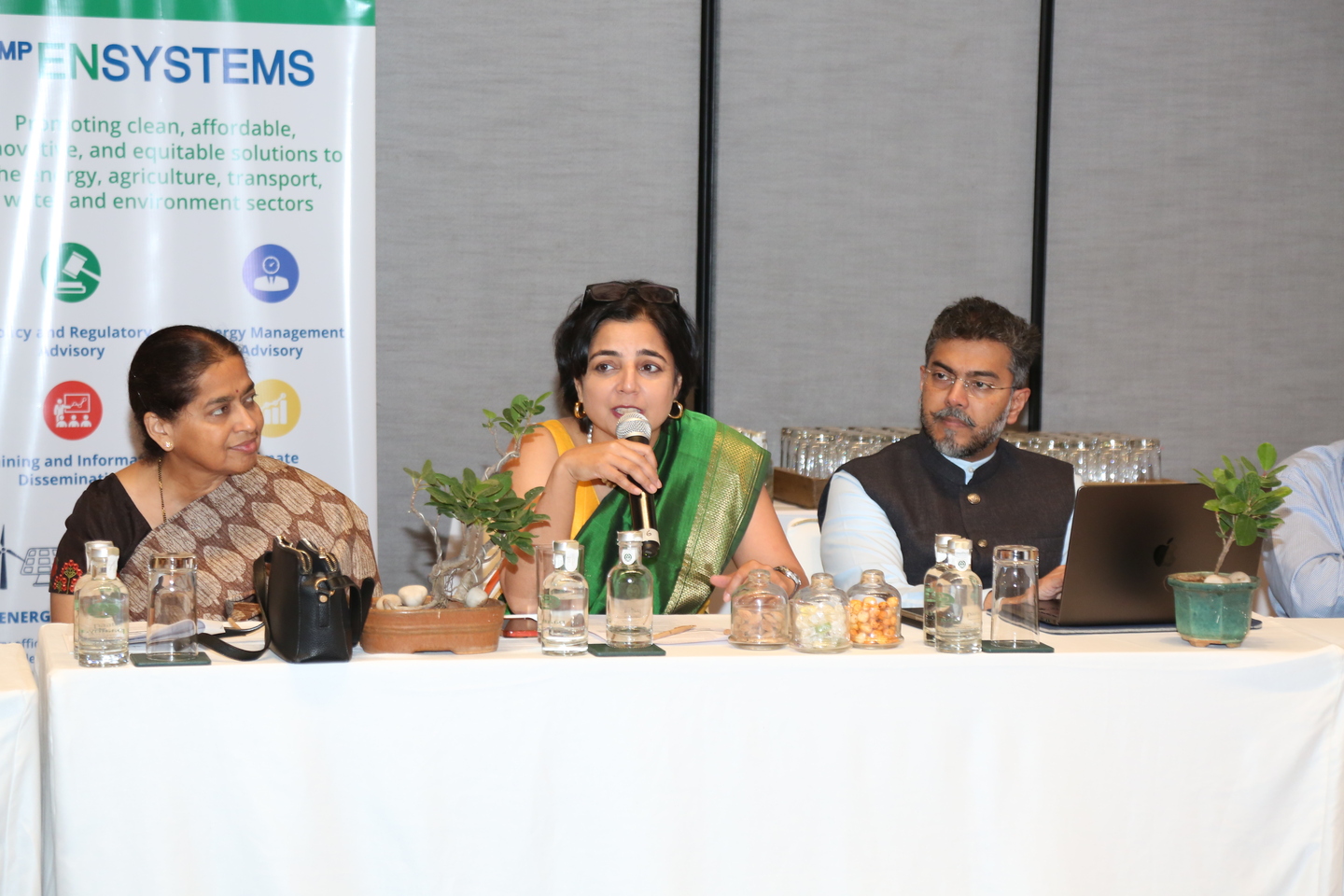
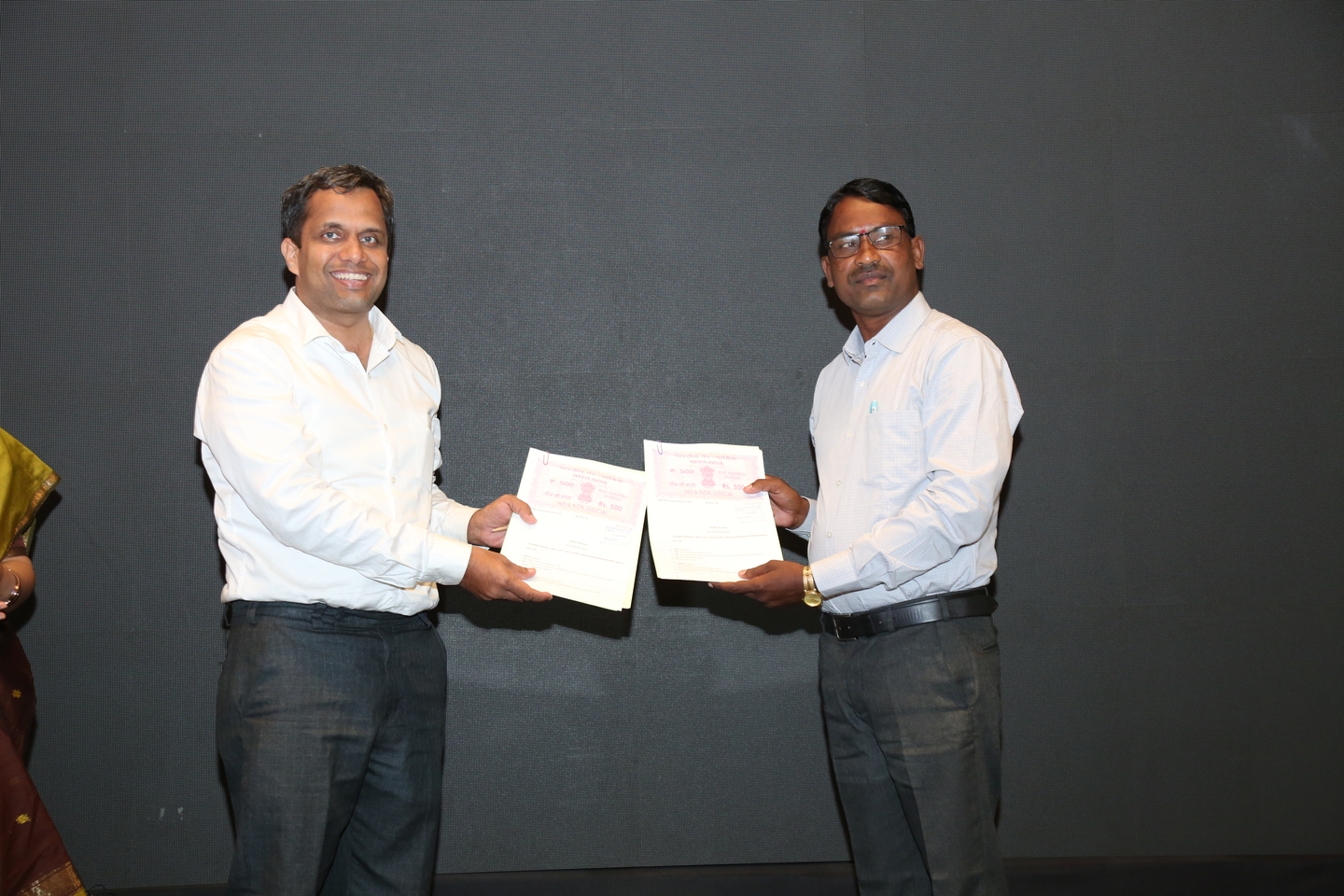
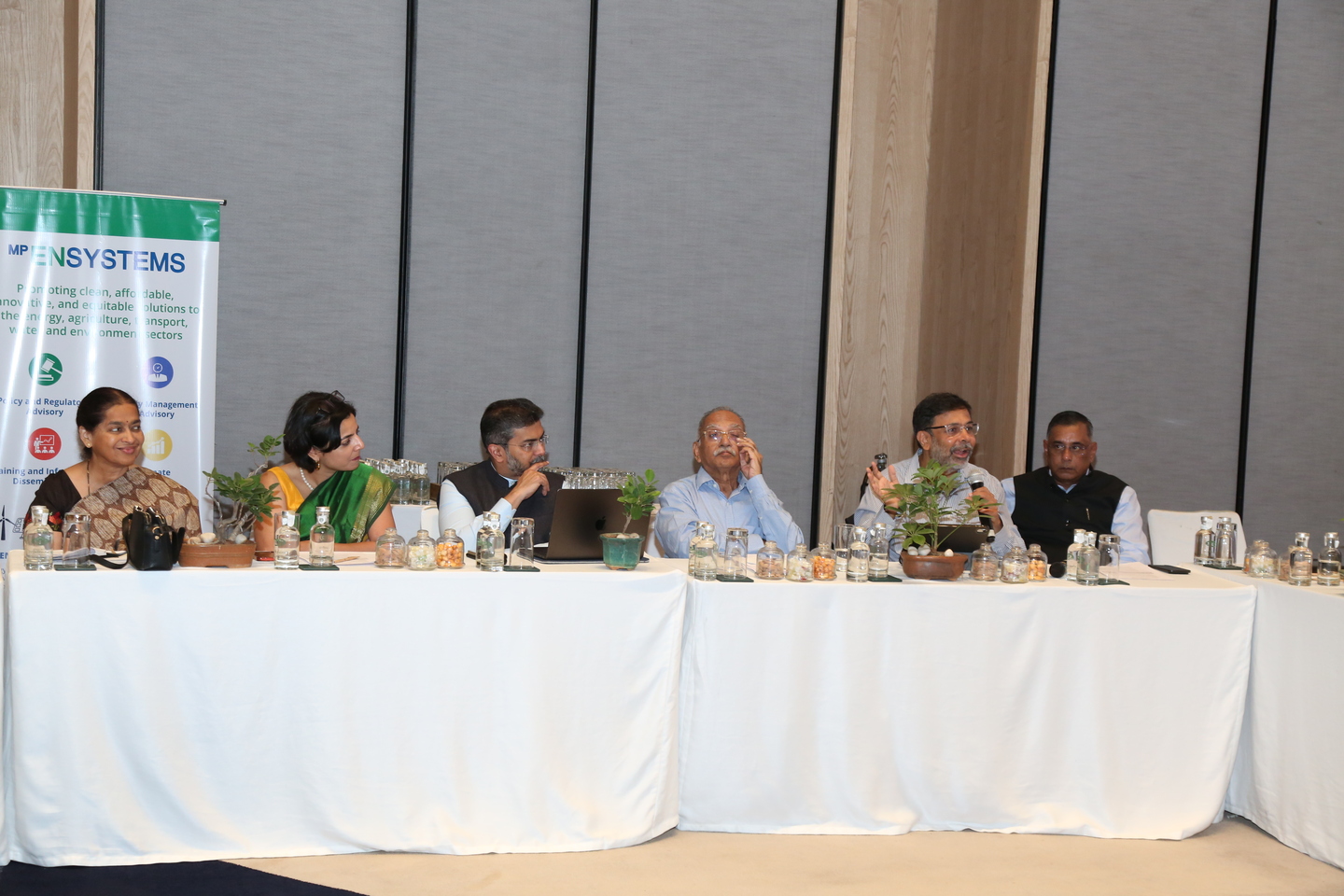
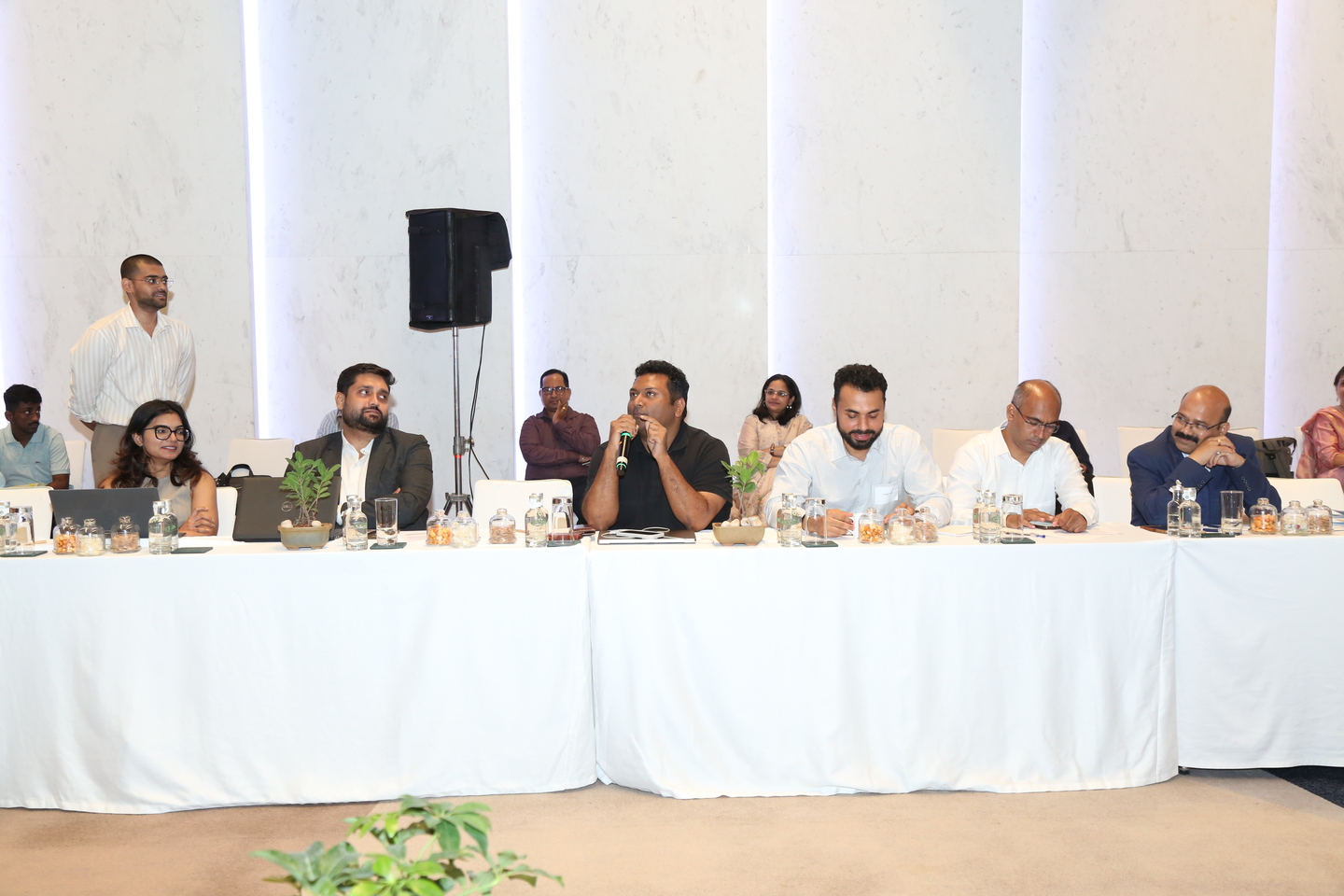
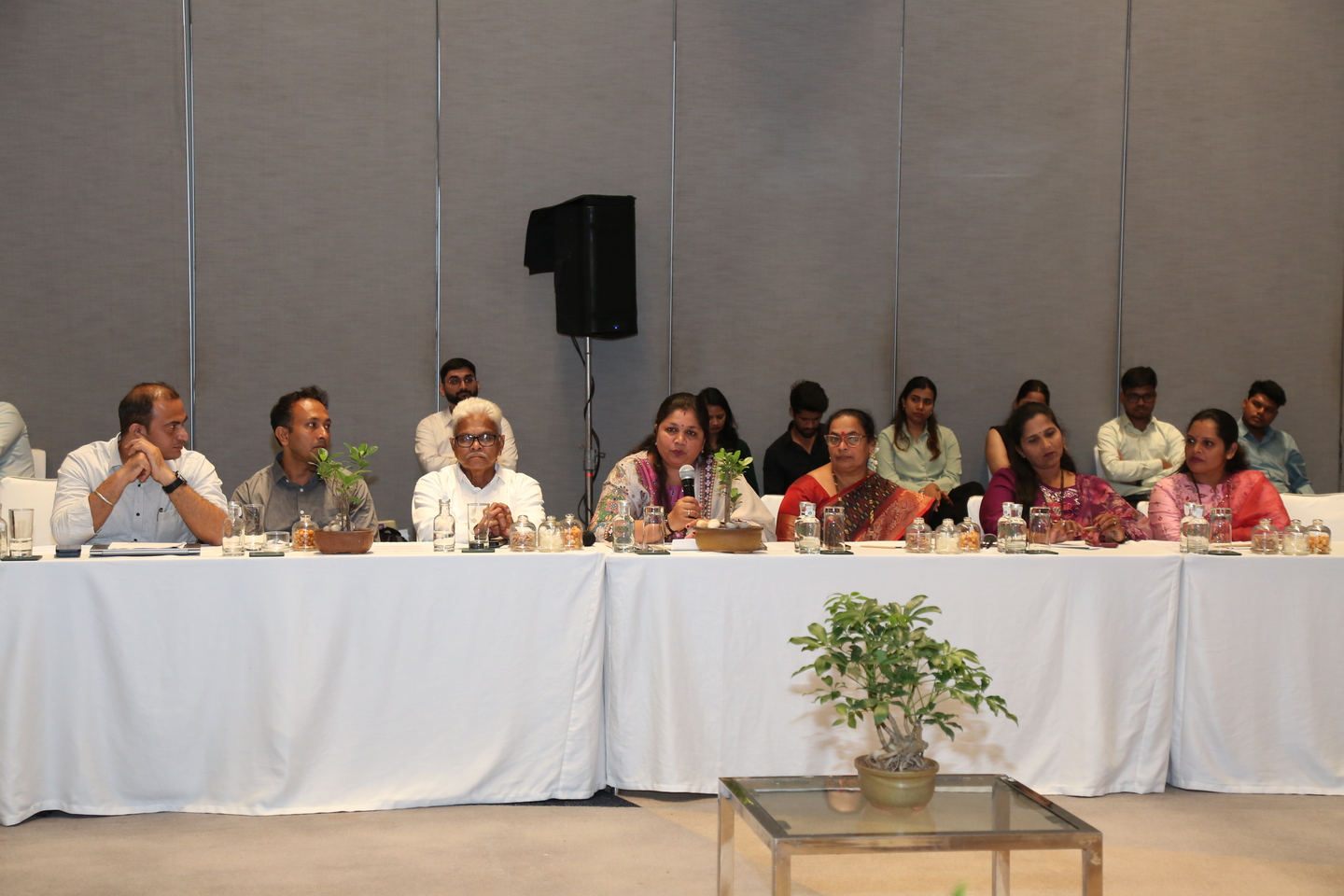
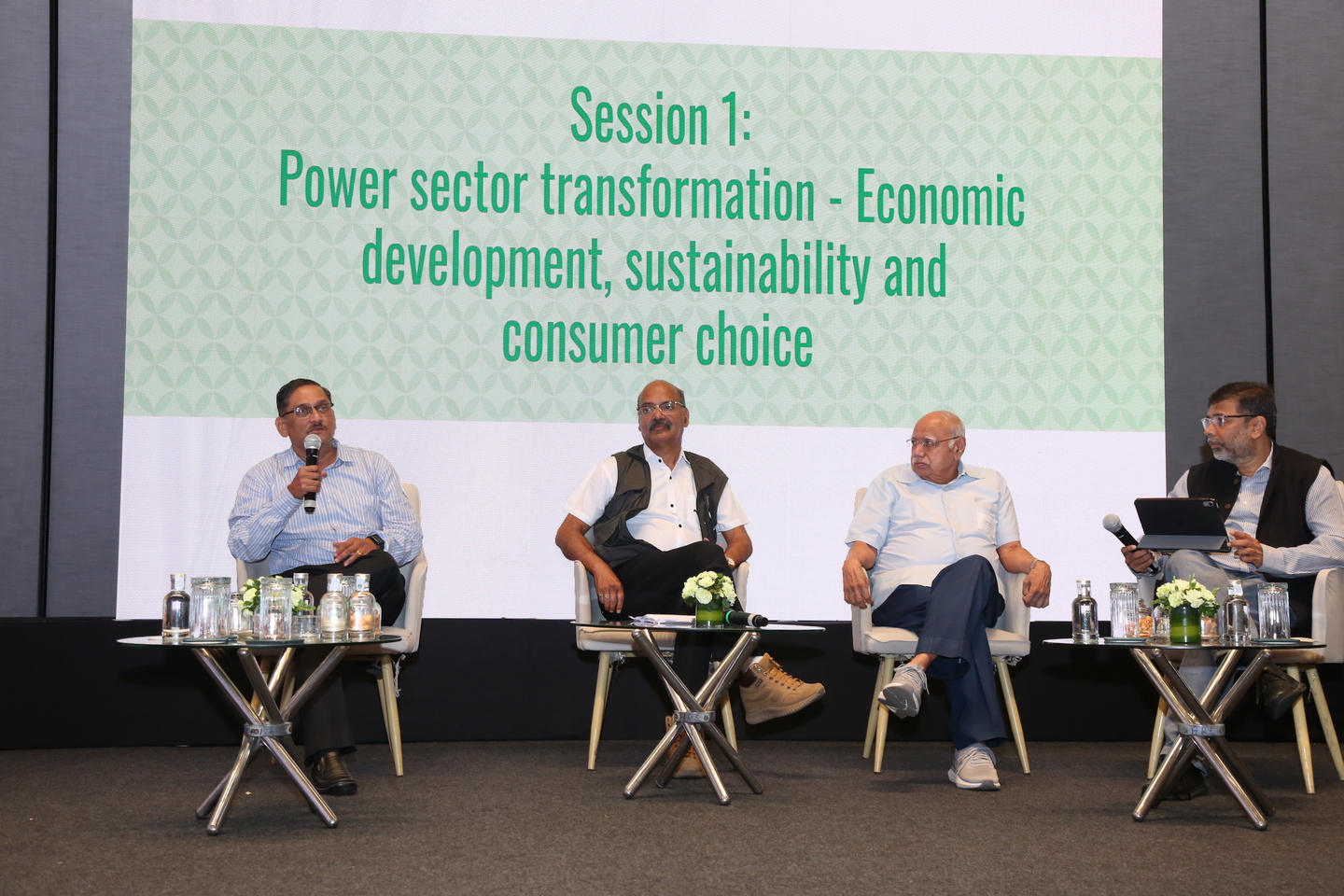
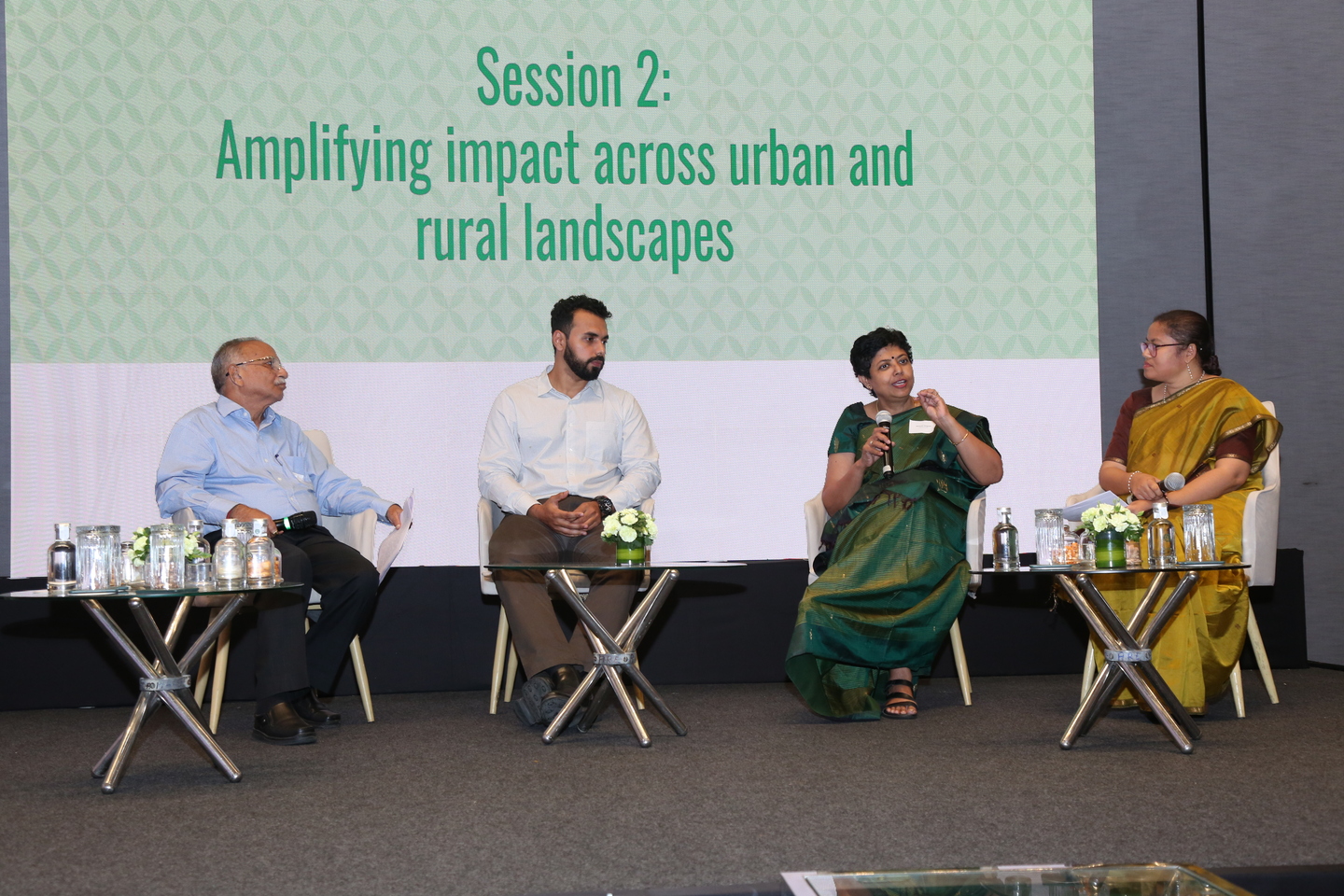
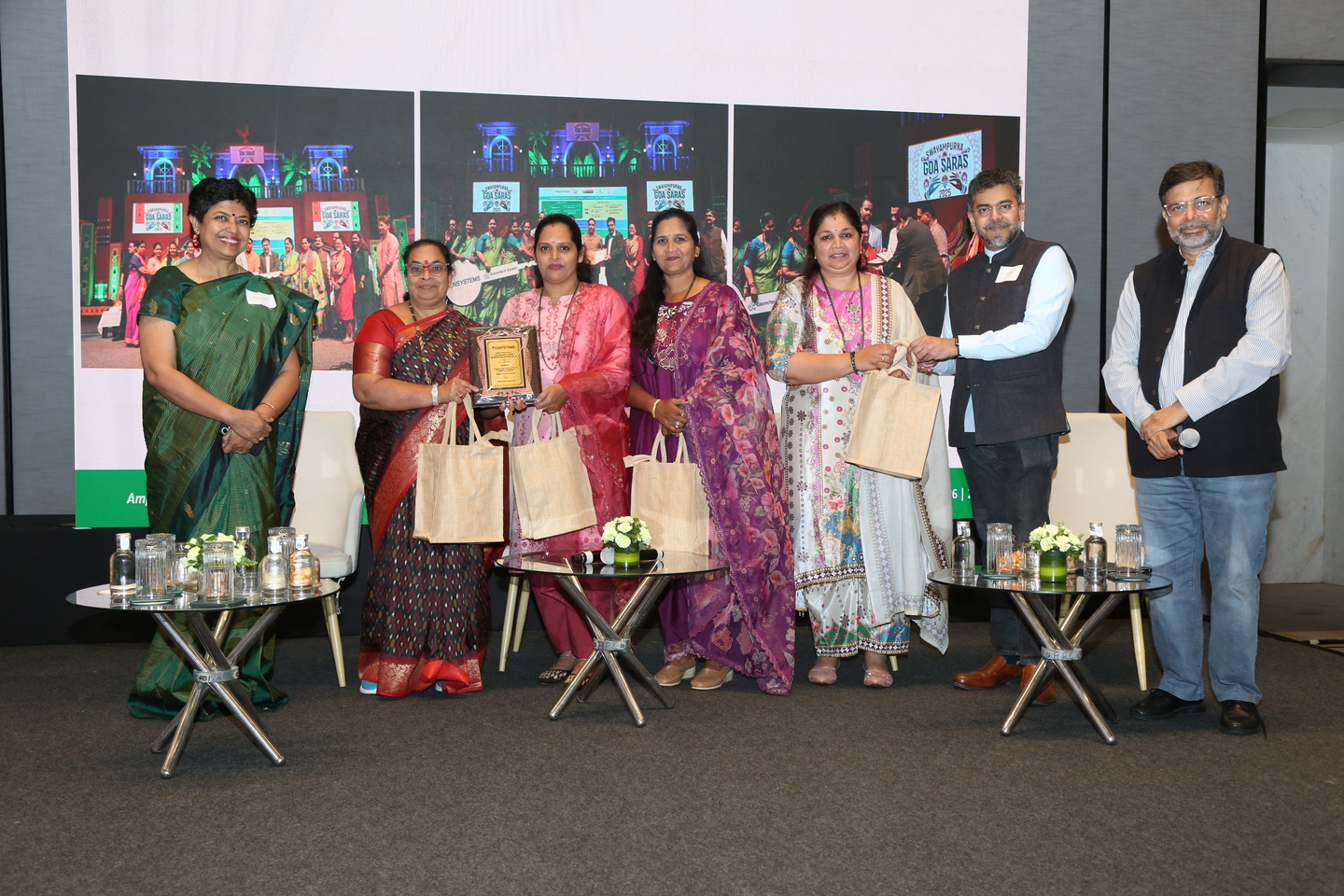
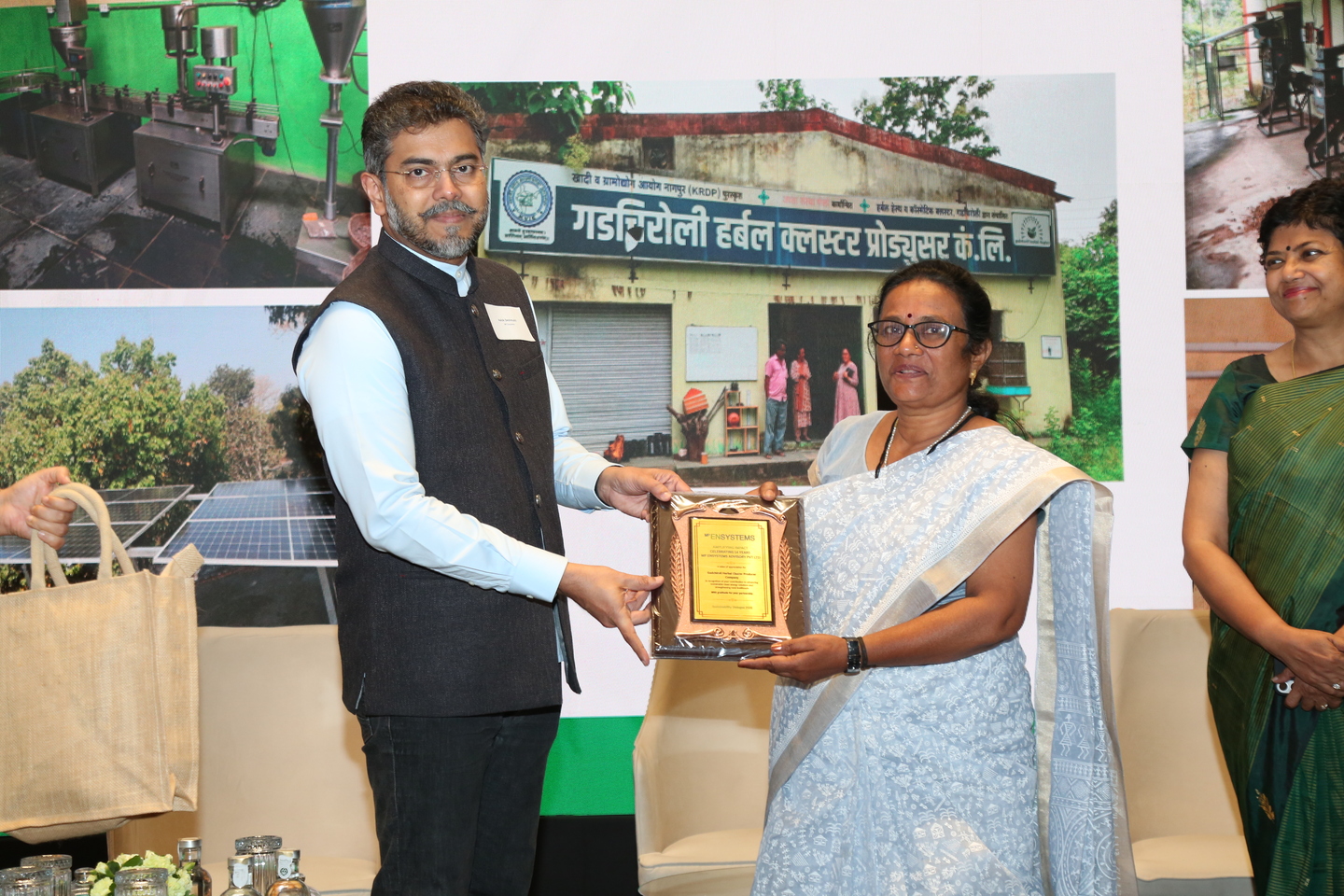
Our 14th Anniversary on 13 April 2026 was more than a milestone; it was a tribute to the entire ecosystem that has shaped our path. The event brought together practitioners, investors, and sector experts to co-create the way forward.
We celebrated groundbreaking implementation in EVaaS and RE interventions, alongside the launch of ClimaKosh, our dedicated sustainability data platform.
Enabling more informed decision-making through our one-stop sustainability analysis platform.
Explore ClimaKosh
MP Ensystems Advisory Private Limited established in 2012, is a thesis-driven private consulting firm that actively supports equitable energy and resource efficiency initiatives. The firm’s core expertise lies in the energy and environmental sectors and includes electricity regulations, clean energy access for development, water resource efficiency and sustainable mobility. Our initiatives also encompass climate finance, aimed at catalysing sustainable change. We support sub-national, national, and international programs through policy advisory, business model development, socio-technical modelling, and by testing innovative solutions and services.
Our outputs include policy documents, knowledge pieces, research notes, and scientific publications, besides roadmaps and guidelines for actionable decision making. We also support knowledge exchange exercises through online training and dissemination approaches.
In order to create business and societal impact, we actively collaborate with partners and thought leaders to convene discussions and develop solution-based approaches to address critical challenges across the sectors. Our clients include climate and energy foundations, multilateral financial institutions, philanthropies, academia, policy making institutions, development institutions and civil society organisations oriented to align with climate leadership and equitable future.
At MP Ensystems we provide services ranging from policy formation, program designs, evaluation, firm-level energy management systems, evaluation of green finance options to make your organization resource efficient.
The broad range of our services fit within four business verticals encompassing the regulatory, energy management, clean energy, knowledge and climate finance.




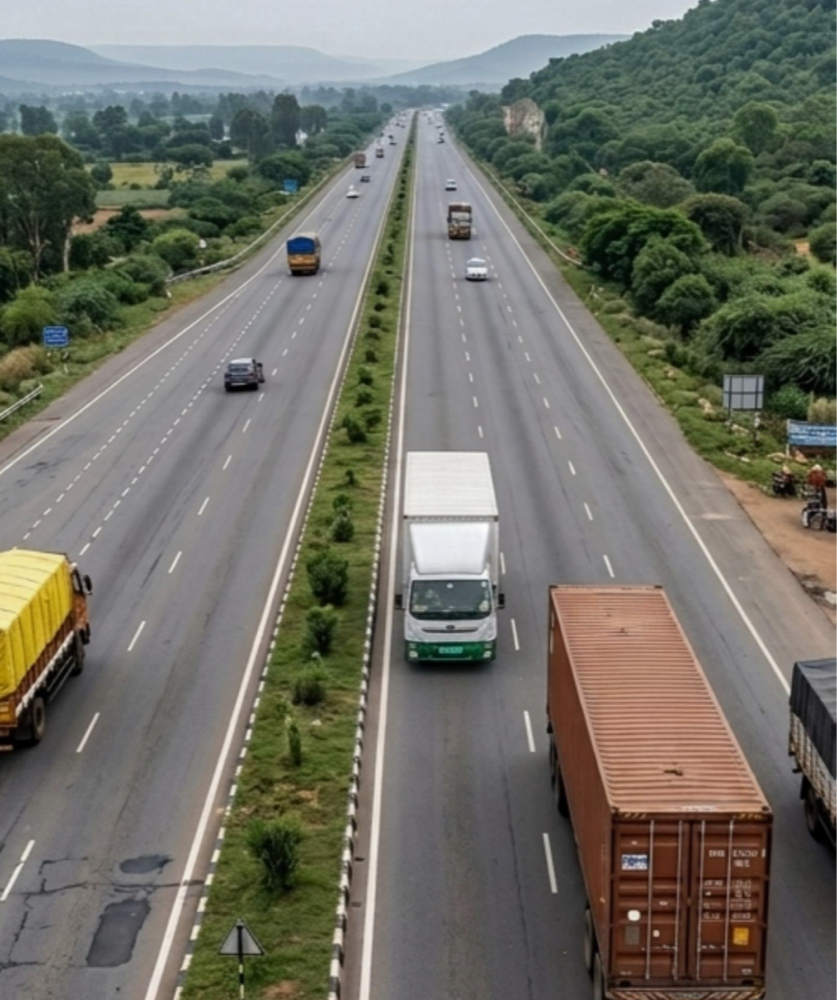
India’s truck fleet is on a steep growth curve. As urbanisation accelerates and e-commerce continues to reshape supply chains, the country's truck fleet is expected to grow four-fold to nearly 17 million vehicles by 2050, driving freight movement to 9.6 trillion tonne-km. This has major implications on the environment and India’s energy economy.
Read More →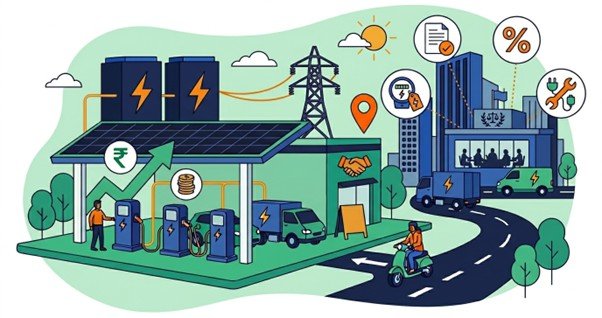
Through this knowledge piece, we are trying to explore the dependencies between different analyses of enabling ecosystems and standards, to understand how critical their co-existence is to drive the sustainable ZEV transition.
Read More →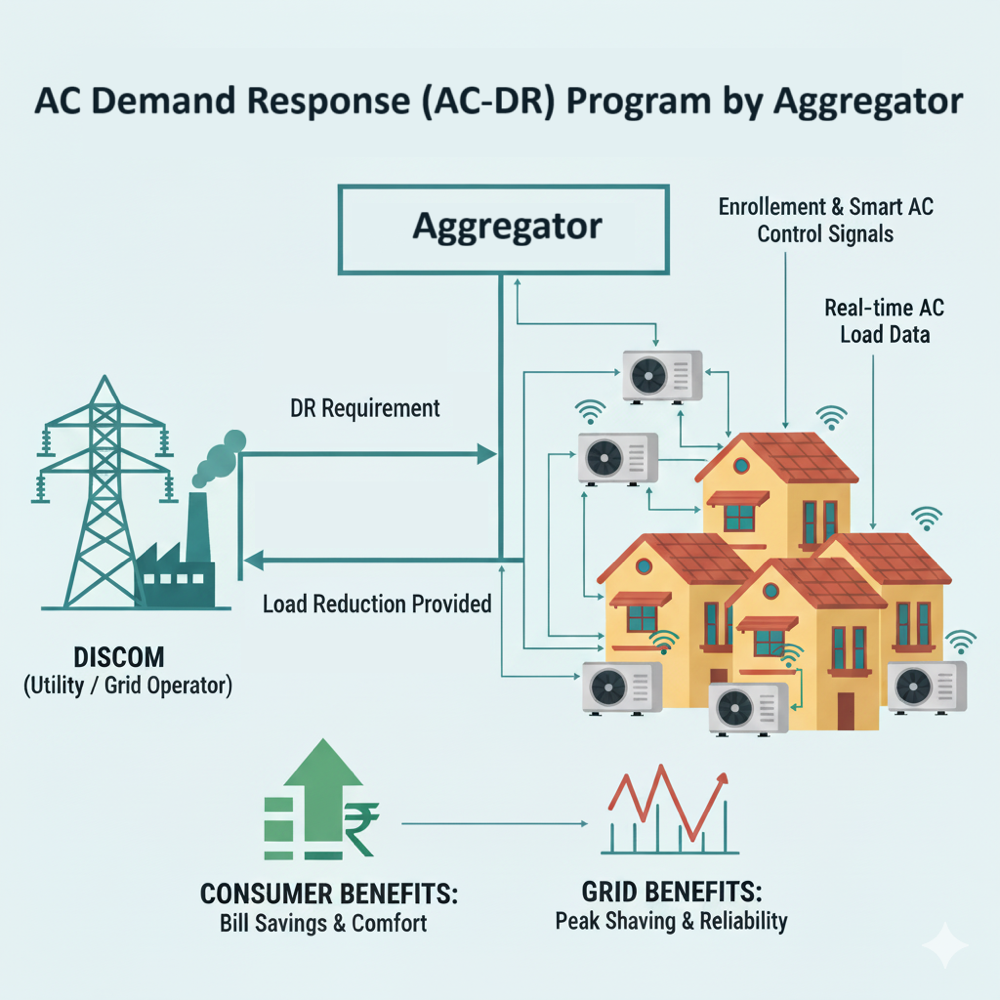
Electricity Distribution Companies (DISCOMs) need to evaluate the impact of Demand Flexibility (DF) and Demand Response (DR) programs using standard tests such as the Total Resource Cost (TRC), Ratepayer Impact Measure (RIM), and Long-Term Resource Impact Measure (LTRIM).
Read More →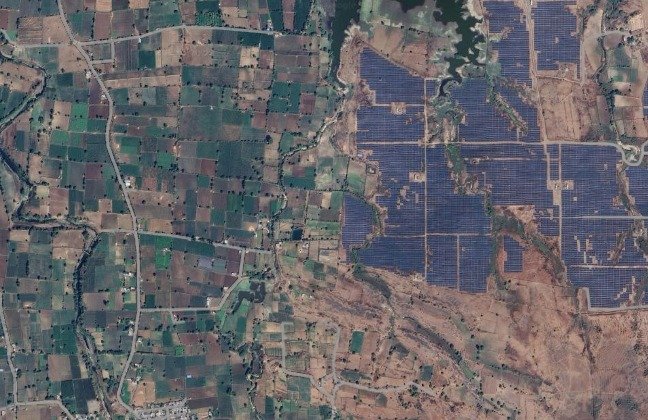
A DF involves a third party authorized by the DISCOM to manage electricity distribution tasks such as meter reading, billing, revenue collection, and network maintenance. The franchisee operates under a specific payment and incentive model based on performance, loss reduction, or revenue targets. This arrangement aims to improve the operational efficiency and financial health of the distribution network while meeting service quality standards.
Read More →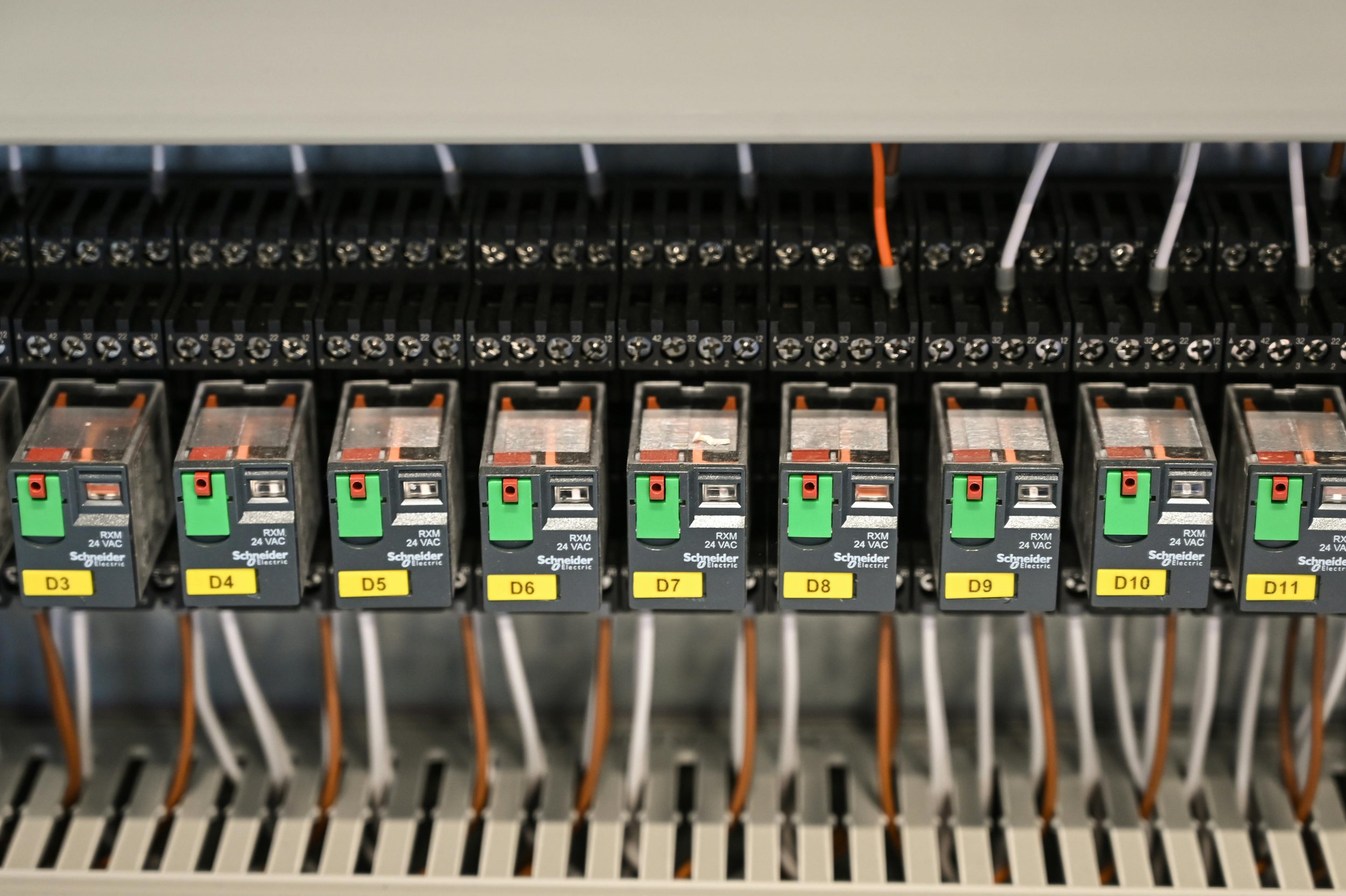
Traditionally, the shape of the electricity load curve remained largely unchanged in India, with only the overall quantum of demand increasing over time. To manage this growing demand, energy efficiency (EE) programs were introduced to slow down the rapid upward shift of the load curve by promoting more efficient energy use.
Read More →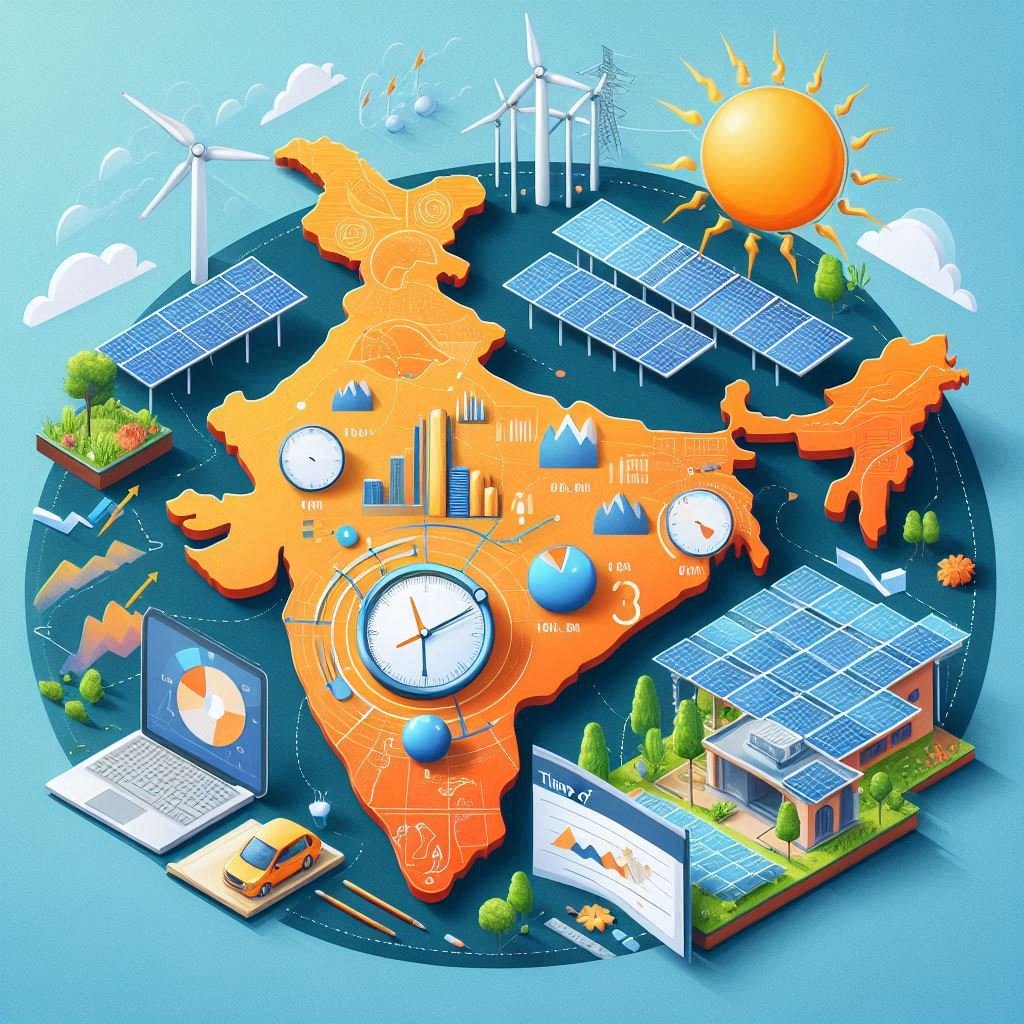
Time of Day (ToD) tariffs are effective tools in energy management, particularly in countries like India, where the electricity demand is rapidly increasing. These tariffs are designed to vary the cost of electricity based on the time it is consumed, offering lower rates during off-peak hours and higher rates during periods of peak demand.
Read More →
India has performed well on the renewable energy front, achieving a cumulative 82.6 GW of installed solar power capacity at the end of April 2024. As of May 31, 2024, non-fossil fuel sources consist of 45% of the total installed electricity generation capacity in India. Additionally, the framework for Sovereign Green Bonds has enabled resource mobilisation for green projects.
Read More →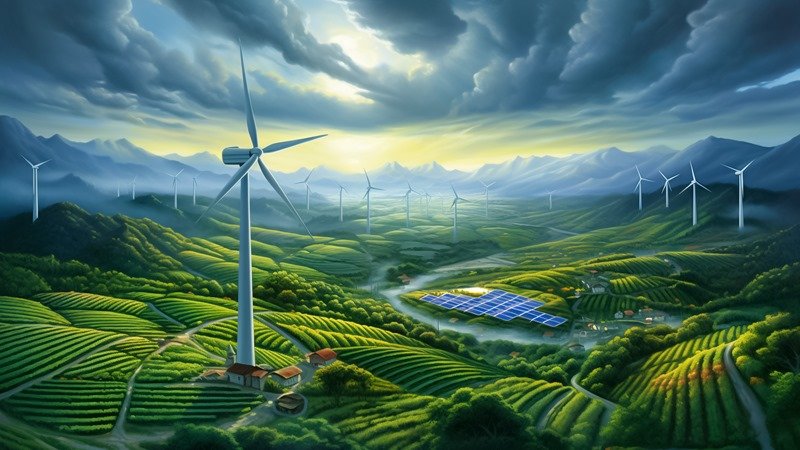
The Union Budget 2024-25 has placed a strong emphasis on nuclear energy as a key component of India's future power mix. The government plans to partner with the private sector to develop Bharat Small Modular Reactors (SMRs) and invest in research and development of newer nuclear technologies.
Read More →
Climate Centre for Cities (C-CUBE) at the National Institute of Urban Affairs (NIUA) in association with the Global Covenant of Mayors for Climate & Energy (GCoM) , Asia conducted a training regional workshop on Accessing Climate Finance. The workshop was conducted to help cities understand the financial mechanisms available for development climate actions for cities.
Read More →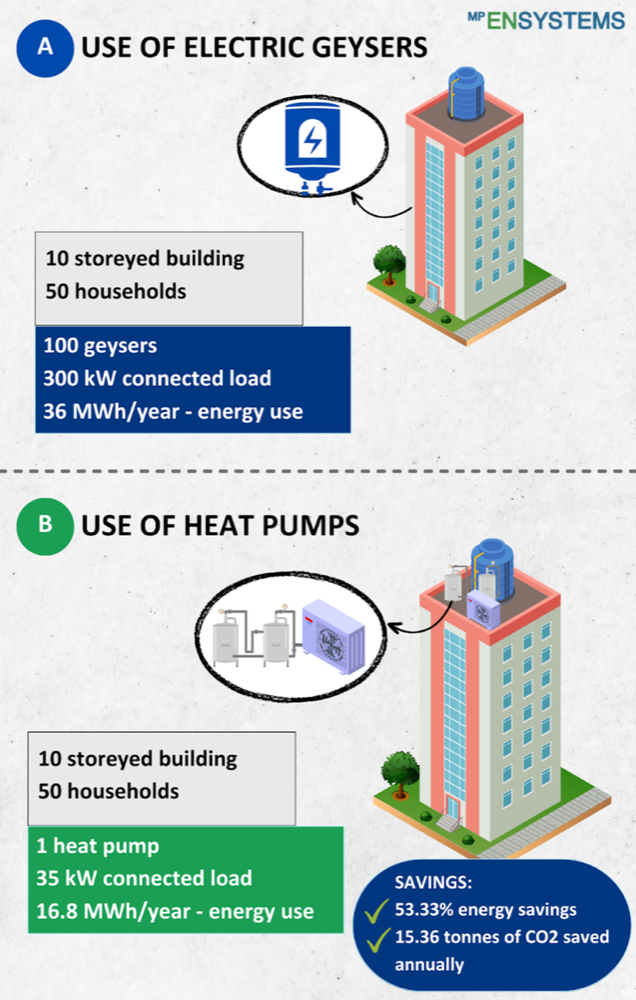
When we speak of the power sector there is a significant emphasis on topics like the role of renewable energy, how we generate power, what is the current generation mix etc. However, a crucial aspect that is often overlooked is the consumer.
Read More →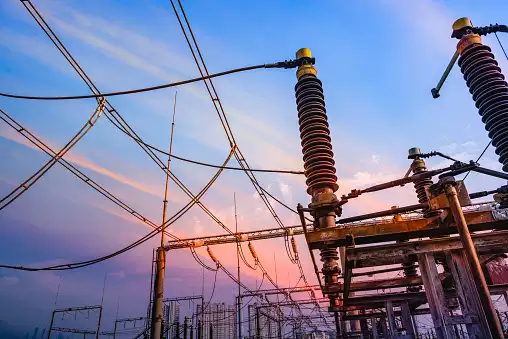
A suite of smart solutions is needed to bring the power sector planners to think about what happens behind the meter with consumers being a part of the solution.
Read More →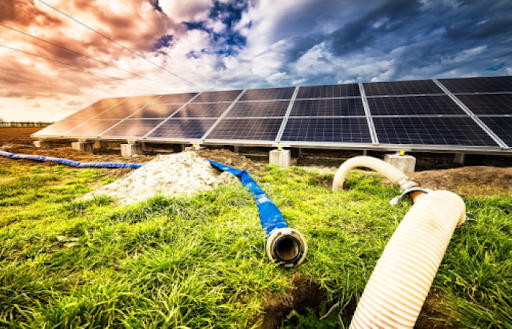
As the squeeze on natural resources continues to grow in coming years and decades, resource management will hinge on the ability to balance demand and supply while adhering to environmentally-conscious targets.
Read More →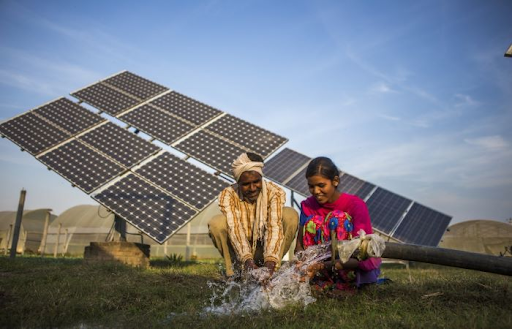
Translating India’s undoubted potential for self-sufficiency will have to begin with addressing these gaps, particularly in agriculture which still remains India’s biggest livelihood.
Read More →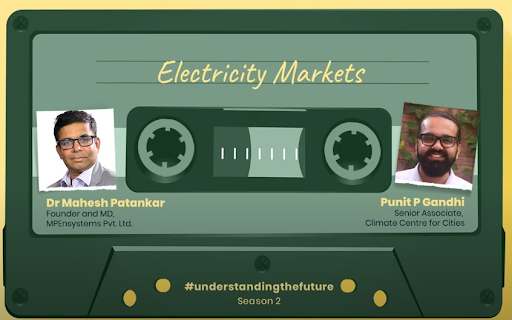
We explore the topic of electricity markets in India, its transmission infrastructure as well as how they function.
Read More →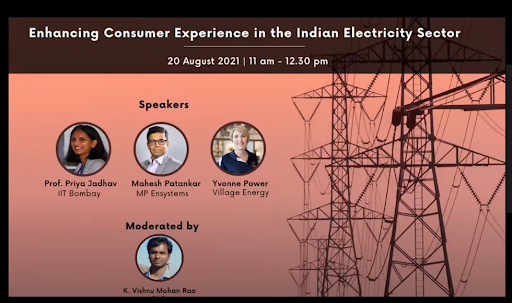
Consumer experience will play a vital role in this structural transformation. Watch the panel of esteemed guests discuss how consumer experience can be improved given the rapid transformation affecting the electricity sector.
Read More →
The project aims to develop renewable energy-based farm-to-fork value chains that generate alternative livelihoods and create resilient local economies in Vidarbha region. Key interventions include technology demonstrations, skilling of local workforce, and designing RE-powered processing solutions for agriculture and horticulture value chains. The project also explores 100% RE-based franchisee models and policy innovations to support large-scale and decentralized renewable energy deployment.
Solarization of MSMEs is a program which is designed to streamline and implement Rooftop Solar Systems (RTS) within the MSME sector in the state of Maharashtra. The collective aim of this project is to install a total of 400 MW of rooftop solar systems on MSMEs across the state through a PPP model known as Renewable Energy Service Company (RESCO) model.
The SEforALL - Demand Flexibility Program aims to establish a framework for DF implementation. It focuses on supporting the drafting of DF regulations, assisting discoms, creating a DF model to assess state-level potential, developing standard templates, documenting national and international examples of DF initiatives, building a complete ecosystem for DF from regulation, implementation and evaluation perspective. The project seeks to create replicable models that can be scaled across India, encouraging a national environment for DF adoption.
The ongoing load research study has analyzed consumer demand, identifying key factors that influence consumption patterns. By evaluating renewable energy integration, the study is assessing its implications on Tata Power's power purchase costs. Smart meter and AMR data from the past two financial years are being used to develop seasonal, daily, and consumer-level load profiles, evaluate consumer contributions during different time slots, and formulate demand flexibility/demand response (DF/DR) program implementation strategies. Consumer surveys provide critical insights into willingness to participate in Demand Response (DR) programs, as well as appliance and end-use-level flexibility potential. This report serves as a reference for designing future DF/DR programs.
The Portal for Environmental Analytics and Knowledge (PEAK) is an initiative of MP Ensystems Advisory Private Limited. PEAK has curated a certification program to give students and early stage professionals an insight into the world of sustainability and relevant environmental issues that they may not have had exposure to in their regular courses. Students will have access to experts who have decades-long experience in sectors such as sustainable energy, urban mobility, public transport, agriculture etc. The course gives students access to information, reports, presentations and videos, provides them with a platform to interact with experts and other students, test them on their knowledge and provide internships to selected students. Initial training sessions conducted in 2020 attracted over 1000 registrations. Please write in to us at [email protected] to know more.
Project name - Demand Flexibility Opportunities and Emerging Regulatory Landscape in India
About the report - This whitepaper outlines how Demand Flexibility (DF) is essential for managing India's rapidly growing peak electricity demand and integrating renewable energy. It argues that while existing Demand Side Management (DSM) is a good start, a strong, centralized policy is needed for DF to become a reliable grid resource. Key recommendations include mandatory, state-wide Time of Day (ToD) tariffs, setting clear DF targets for Discoms, and utilizing smart metering for effective measurement. The report calls for a unified national program to standardize regulations and accelerate DF adoption across states, enhancing grid reliability and reducing peak power costs.
Project name - Greening of Rural Value Chains: Roadmap of Deployment towards a Benign Socio-Technical-Finance Regime
About the report - This project focused on supporting low-carbon rural development in Jalgaon and Nandurbar (Maharashtra) and Chhindwara and Singrauli (Madhya Pradesh). MP Ensystems engaged with stakeholders including FPOs, government agencies, technology providers, and financial institutions to identify pathways for greening farm-to-fork value chains. Key outcomes included a portfolio of 10 investment-ready projects, development of Project Design Documents (PDDs), and launch of the GRVC Virtual Dashboard as a one-stop hub for mapping FPOs, interventions, and financing opportunities. The initiative demonstrated how renewable energy technologies such as solar dryers, cold storages, and EVs can strengthen rural livelihoods, reduce carbon emissions, and create scalable models for sustainable value chains.
Project name - Roadmap for RE and Clean Technologies for Fisheries in Goa
About the report - This project explored opportunities for transitioning Goa’s marine fisheries sector towards renewable energy adoption. MP Ensystems engaged with fishing boat owners, cooperatives, and other stakeholders to assess energy use patterns and identify clean technology interventions. The study examined practical solutions such as solar power for lighting at jetties, renewable-powered refrigeration and processing, and hybrid options for vessels to reduce diesel dependency. It also mapped export-linked value chains and highlighted pathways for sustainable, cost-effective energy adoption in fisheries, aligning with global trends in green maritime operations.
Project name - Empowering Rural Development: A Roadmap for Renewable Energy Integration (Greening of Rural Value Chains – Phase I - Maharashtra)
About the report - This project was undertaken to assess the feasibility and potential of renewable energy (RE) integration in rural Maharashtra. It involved comprehensive field visits to study current energy usage, gaps, and opportunities. The team engaged with government officials, farmers, and stakeholders to identify energy needs in agriculture, rural livelihoods, and community infrastructure. Based on this, a strategic roadmap was developed to promote decentralized RE solutions that enhance rural development, resilience, and sustainability. The project provides actionable insights for scaling clean energy initiatives to support inclusive growth in the region.
Project name - Smart charging in India: Study on EV freight corridor and grid infrastructure for managed charging integration
About the report - It delves into the dynamics of integrating Time-of-Day (ToD) pricing strategies in Electric Vehicle (EV) charging within India's energy landscape. Through case studies, surveys, modelling exercises and stakeholder discussions, the report explores the impact of tariff structures in the context of smart or managed EV freight charging, grid utilisation, and Renewable Energy (RE) integration in the Indian context.
Project name - Electric Vehicle Charging Infrastructure Siting Study to Support Freight Electrification
Project details - Around 71% of India’s freight is transported by road. Systematic study and support in the creation of EV charging infrastructure (EVCI) would benefit commodity haulage services, optimise the electricity grid impact and maximise revenues for charging operators. MP Ensystems has developed an Intelligent Geospatial EVCI modelling tool, to identify and optimise suitable charging sites along important freight corridors in India. The model is available on the website www.evci.in. This report describes the EVCI modelling tool, stakeholder inputs on EVCI siting and recommendations on planning and investment in EVCI.
Project name - Greening of Rural Value Chains in Madhya Pradesh
Project details - Madhya Pradesh is an emerging state with the highest growth rate in agriculture. Even though there is a significant decline in the poverty rates in the state, several opportunities could be proposed to improve the livelihood of the rural population. This project focuses on one specific example of decarbonization opportunity emanating from efficient value-chains in the horticulture sector creating jobs and contributing to the local economy in the state of Madhya Pradesh. The report showcases EE and RE interventions for established, emerging and nascent agricultural produce contributing towards rural development.
Project name - COMREC (Communities to Markets Resource Efficient Corridors)
Project details - Rural, tribal and coastal communities have been severely affected by a combination of Covid-19-induced lockdowns and climate-induced disasters, specifically in the horticulture and fishery value chains. This project explores the current rural value chain and identifies ways to ‘green’ it using government recovery packages as well as other sources of finance. We are working in the southern Konkan region of Maharashtra to understand the baseline energy and water consumption and identify scale-up opportunities to support an environmentally sound recovery, strengthen livelihoods, increase social welfare and contribute to achieving sustainable development. This project also feeds into explorations in other coastal states, hilly regions and plains of Ganges.
Project name - Techno-economic study on impact of Electric Vehicles (EVs) on the grid
Name of client - Forum of Regulators
Project details - In assistance to the Forum of Regulators, this project aimed to understand and evaluate options in electricity tariff reduction. The project was commissioned to identify the economic and technical impact of electric vehicle load on the grid and to evaluate business models for public charging infrastructure.
Project name - Carrying out Study on Feasibility of using Electric Vehicles/ Buses in Bandra Kurla complex
Name of client - Mumbai Metropolitan Region Development Authority (MMRDA)
Project details - This project carried out a pre-feasibility study including traffic management study to identify the traffic movement pattern leading to the determination of the number of buses required in the BKC area.
Project name - MNRE under the UNDP GEF Market Development and Promotion of Solar Concentrator Based Process Heat Applications in India
Name of client - The Ministry of New and Renewable Energy (MNRE)
Project details - The Ministry of New and Renewable Energy (MNRE) implemented a UNDP-GEF supported project on ‘Market Development and Promotion of Solar Concentrator based process heat applications in India’. The objective of the project was to promote and commercialize Concentrating Solar Technologies for industrial process heat applications in India. MP Ensystems was engaged by MNRE to evaluate the potential for CST in the Northern and Western state of India in the textile, paper, laundry, pharmaceutical, dairy, auto and metal treatment, food and processing and chemical industry.
Project name - Creating Market Enablers to launch a large 1000 MW Heating, Ventilation and Air-conditioning (HVAC) Program operationalized in 3 Indian States (Maharashtra, Karnataka and Gujarat) under the Prosperity Fund India Programme 2013-14
Name of client - British High Commission (BHC)
Project details - In collaboration with the British High Commission Prosperity Fund India Programme, MP Ensystems implemented this project to evolve new implementation arrangements to scale up the level of Demand Side Management (DSM) implementation in India, by focussing on the Heating, Ventilation and Air-conditioning (HVAC) systems. HVAC systems play a key role in the energy consumption of built environments and account for nearly 60 per cent of the annual electricity bills, especially in the urban centres. HVAC is also of key importance since it dominates peak loads in the electricity system. Improving HVAC efficiency can thus reduce system peak and correspondingly the on-peak costly power purchase. The program being implemented by MP Ensystems focused on driving country-wide HVAC efficiency improvement through innovative models involving implementation of DSM programs by Outsourced Entities (OEs) appointed by the electricity distribution companies, supported through existing and proposed policy levers.
Project name - Evaluation of Bulk power procurement and remote RE integration for SBUT within current electricity regulatory framework
Name of client - Saifee Burhani Upliftment Trust (SBUT)
Project details - Commissioned by Saifee Burhani Upliftment Trust, the project evaluated possible options to reduce consumer electricity tariffs. Developed a comparative table to show possible savings to the consumers in different categories when Open Access is sought and power is imported from outside the license area.
Project name - Reforming Urban Transport Regulatory Environment in India
Name of client - Shakti Sustainable Energy Foundation (SSEF)
Project details - The project aimed at exploring the reforms of the existing regulatory frameworks and governance structures for urban transport in India. It assesses the existing governance structures in three Indian cities and reviews best practices followed in cities across the world. It also draws from other infrastructure sectors in India such as electricity, telecom and ports to provide potential policy reforms and institutional set-up for a candidate city in India.
Project name - Promoting Energy Efficient and Clean Cold Chain in India
Name of client - Shakti Sustainable Energy Foundation (SSEF)
Project details - The project was to understand the current energy footprint and projections of energy footprint based on the expected infrastructure gaps field ,deep understanding of state-of-the-art technology implementation in 5 sectors in the 2 states – Haryana and Punjab. A formal technology assessment leading to an understanding of the Best Available and Appropriate Technologies and the outlining of implementation opportunities and financing aspects. The report proposes models for new ‘clean cold-chains’ that will transport food produced from farm gate to end consumers sustainably and relay demand from consumers to farm gate efficiently, with minimal environmental impact.
Project name - Developing a strategy for design and effective implementation of Standard Offer Program
Name of client - Shakti Sustainable Energy Foundation (SSEF)
Project details - The project was implemented with an aim to scale up Demand Side Management (DSM) measures in India. The objective of the project was to identify technologies and provide the platform for utilities to implement Standard Offer Program (SOP). It involved creating an SOP framework and manual providing guidelines for the utilities for implementation of SOP. This was followed by an SOP roadmap which included plans to scale up SOP by identifying barriers and taking measures to tackle them. It is a comprehensive “how to guide” providing information on the steps required to design, approve, implement and verify the programme. Based on insightful stakeholder contributions, the handbook is a useful knowledge resource for distribution utilities, electricity regulatory commissions and DSM practitioners
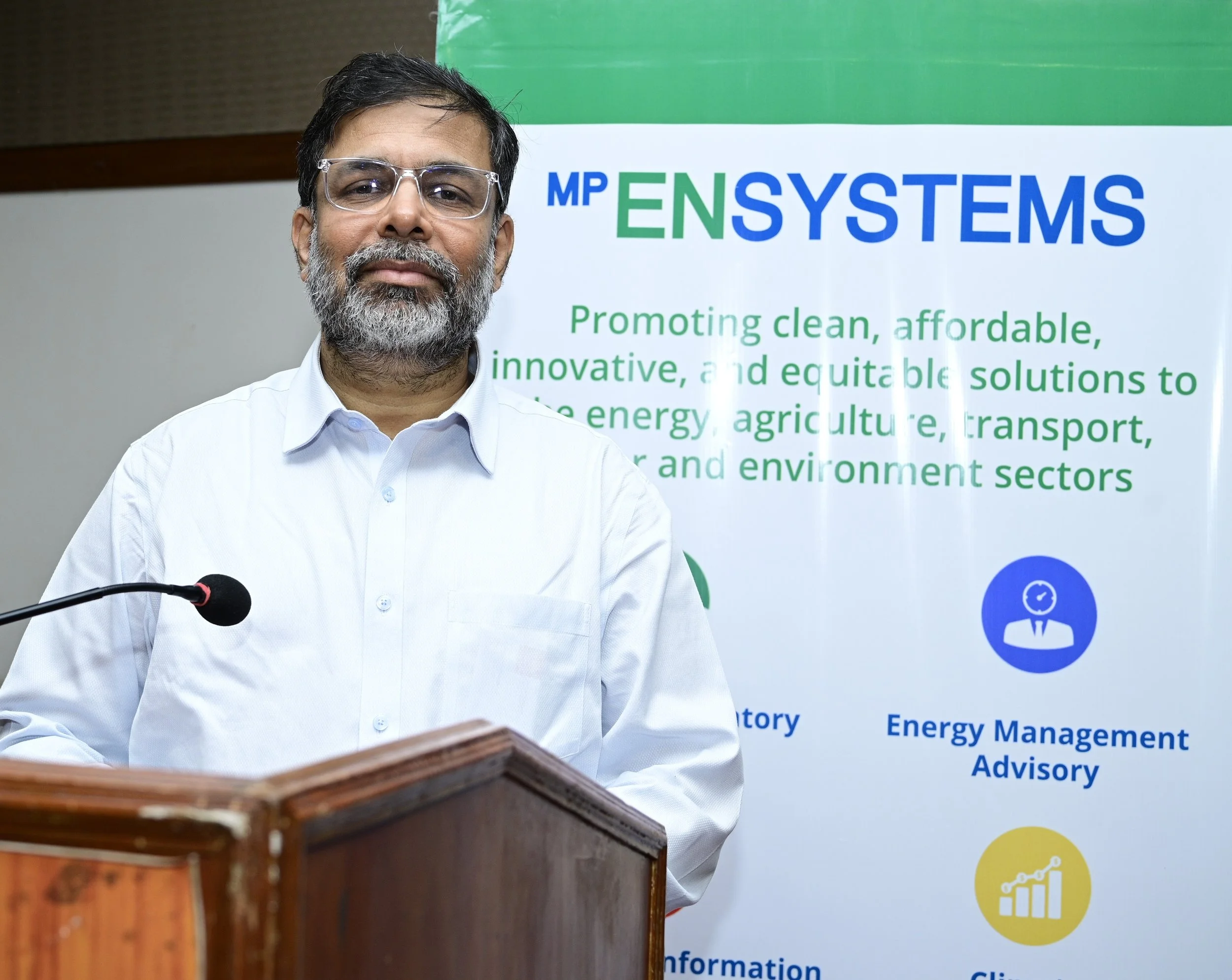








We are hiring a Project Manager, with 5-7 years' experience in the power and resource efficiency sector to work with our team, lead projects and create business opportunities.
View Posting →
MP Ensystems has recently signed a Memorandum of Understanding (MoU) with UK based company GridDuck, who provides an online dashboard connecting affordable and easy-to-install wireless sensors and switches. GridDuck system puts the user in control with the ability to monitor, automate and balance the energy consumption.